Starting something new
You have a meaningful opportunity, but the user, workflow, data, model, and operating assumptions still need to become a coherent product decision.
Service 01
Turn an AI idea into a decision-ready product direction before expensive assumptions become architecture.
Where the work can begin
You have a meaningful opportunity, but the user, workflow, data, model, and operating assumptions still need to become a coherent product decision.
You have a prototype, backlog, or product direction that needs an independent technical read, sharper acceptance criteria, or a credible route to production.
When this helps
Inside the engagement
Map the people, decisions, friction, and existing systems before choosing where AI belongs.
Test the quality of available data, likely model behavior, provider constraints, cost, privacy, and failure modes.
Define the smallest working slice that can answer the expensive questions without pretending to be the finished product.
Translate validated decisions into scope, ownership, milestones, dependencies, and acceptance gates.
What leaves the room
We begin with the people, decisions, source data, and failure modes. The result is a smaller set of testable product bets and a clear line between what is demonstrated and what is still assumed.
Working sequence
Interview the people closest to the work and inspect the current workflow, data, and constraints.
Identify the assumptions most likely to break usefulness, trust, cost, or delivery.
Build or test the narrowest evidence needed to make the next product decision.
Produce a buildable recommendation with explicit owners, gates, and unresolved questions.
Operating boundaries
Evidence in the work
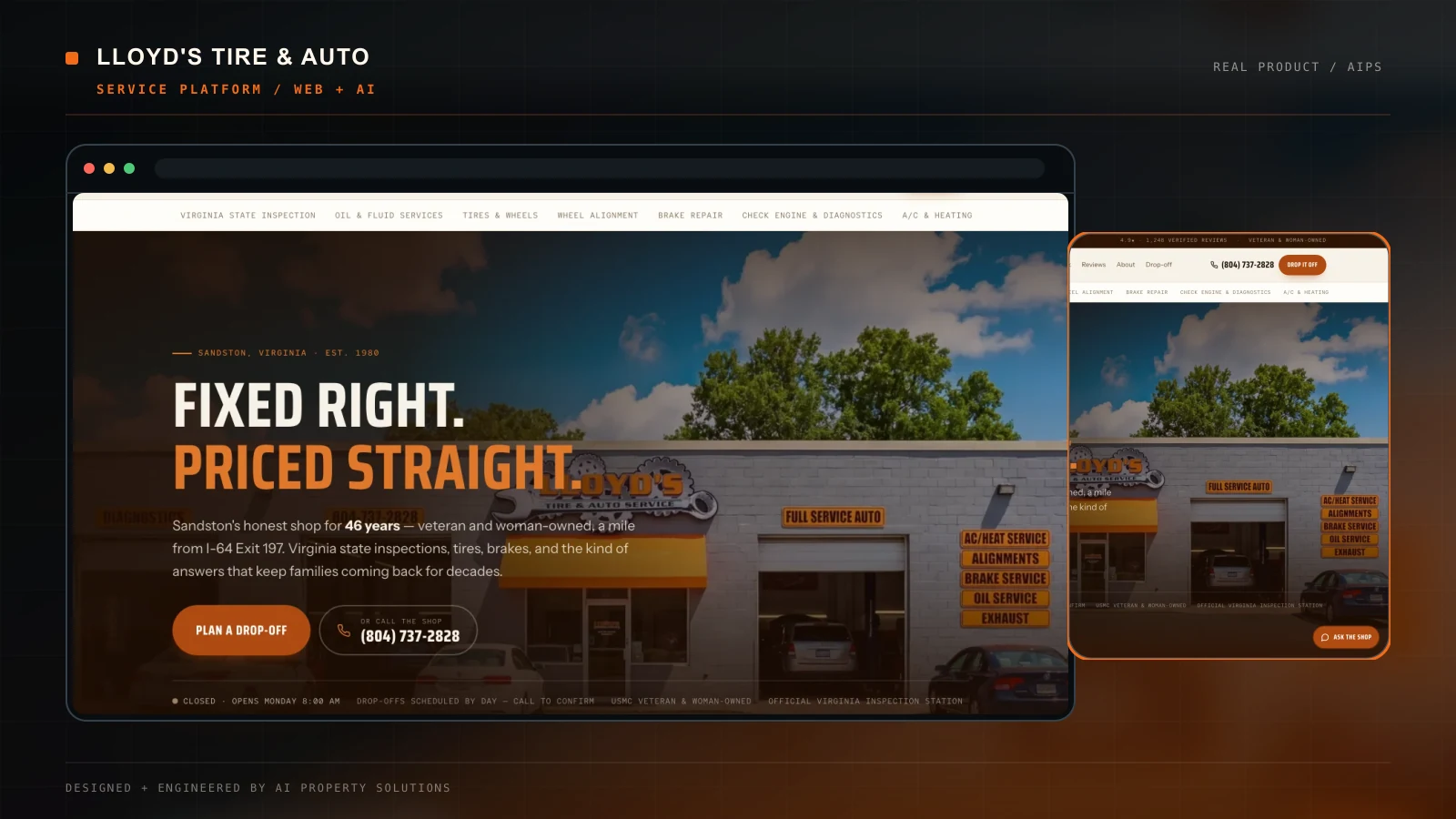
Local service · Web + AI
A modern local-service platform with a clearer customer journey, local search foundations, a guarded AI shop assistant, and a request-based drop-off experience.
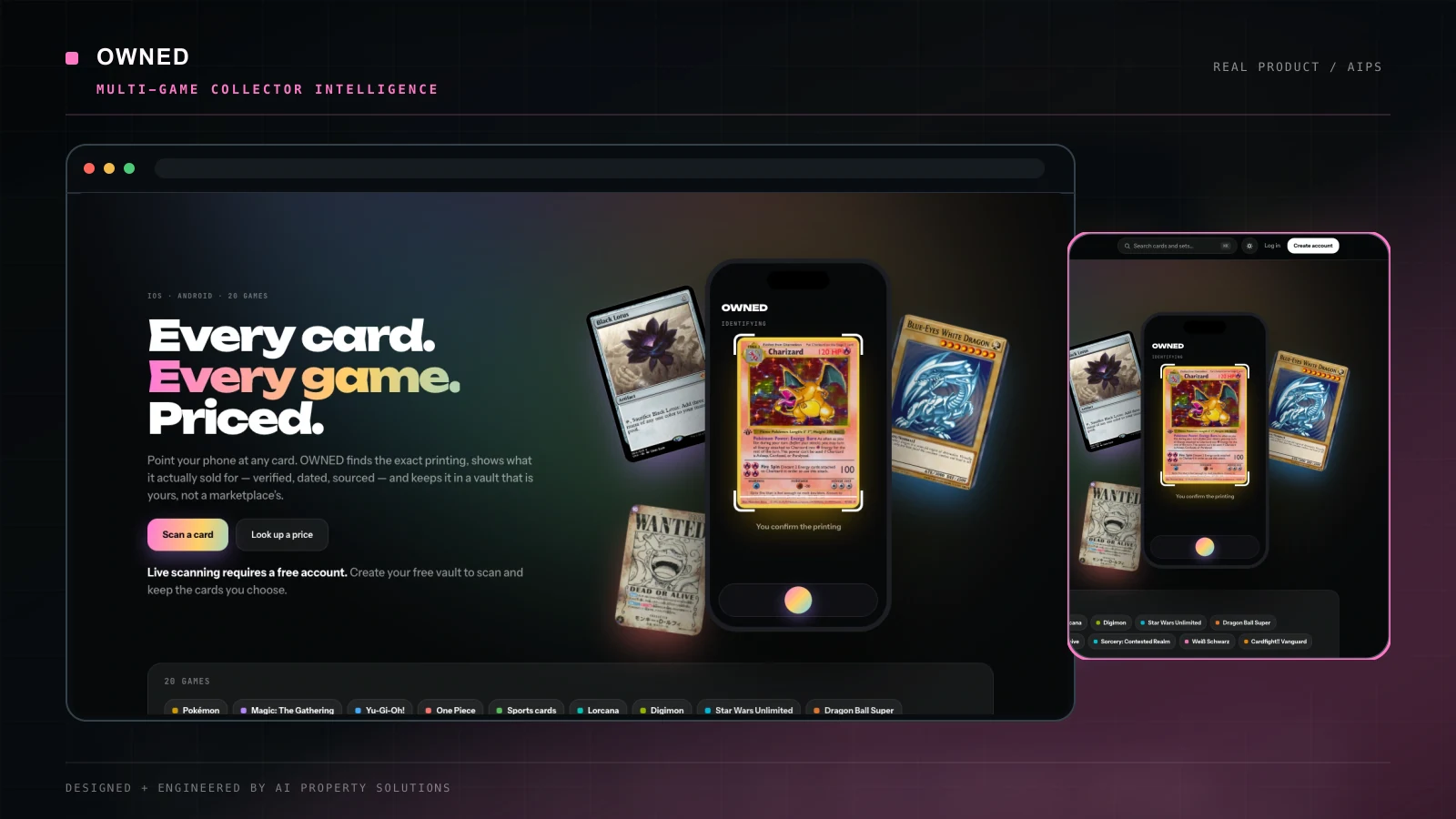
Collectibles · Multi-game intelligence
A collector-first web and mobile platform for scanning cards across games, confirming exact printings, tracking collection value, comparing market evidence, organizing inventory, and setting alerts.
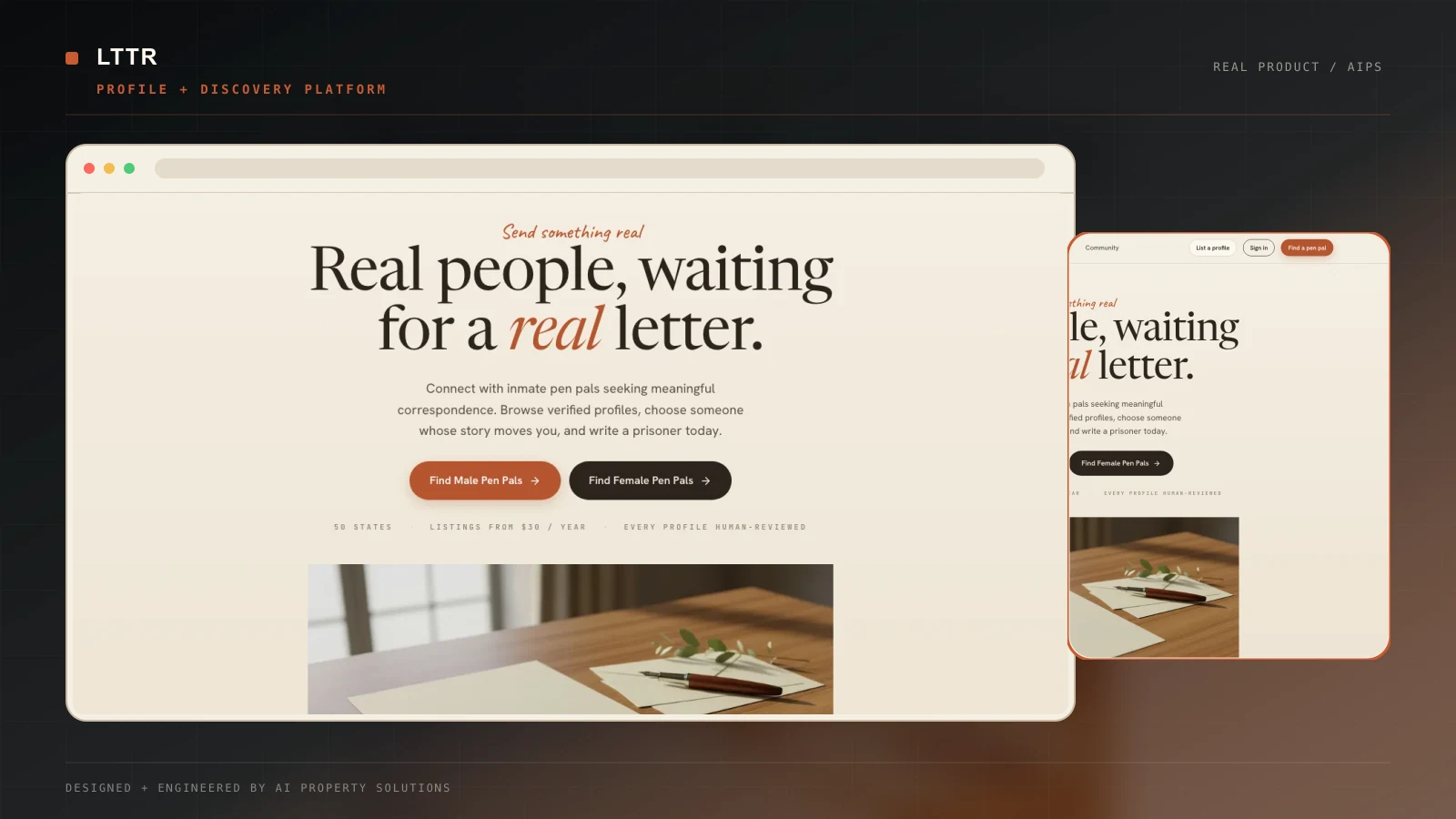
Pen pals · Discovery platform
A pen-pal profile and discovery platform with evidence-aware payment verification, editorial review states, and structured distribution workflows.
Questions about this service
No. Discovery is often most useful when the opportunity is real but the product shape is still unclear. We need access to the people, workflow, and evidence behind the problem.
Only when a prototype is the right decision instrument. The engagement is designed to end with a clear next move: build, test further, change direction, or stop.
Yes. We can evaluate an existing prototype, architecture, backlog, or vendor plan and turn the findings into prioritized, testable decisions.
Start a conversation
Tell us what you are trying to change, who it affects, and where the work stands today. We will give you an honest read on fit and the most useful next step.
Start a project